
Shelf life and stability: questions for a pouch development brief
A shelf-life statement belongs to a particular formula and packaging system.
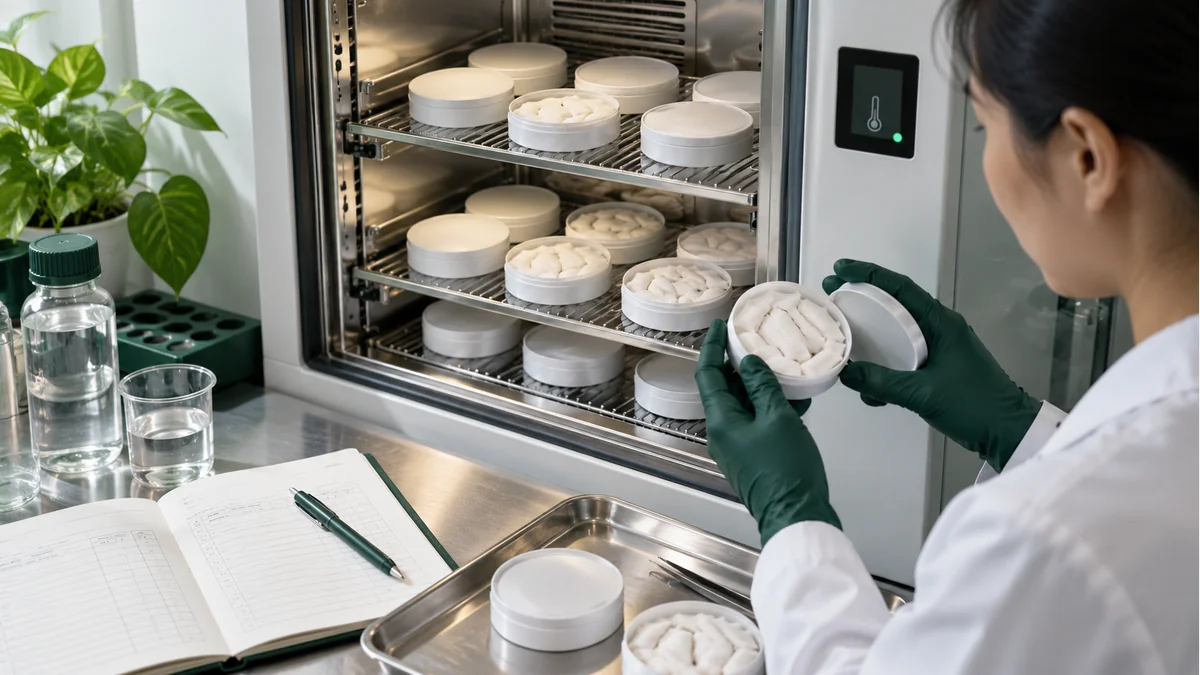
Define the product being studied
A shelf-life statement belongs to a particular formula and packaging system. Changes to an extract, carrier, moisture target, pouch material or can can affect the assessment. State the product version, intended storage conditions and relevant quality attributes before the study plan is agreed.
Choose the questions that matter
Depending on the formula, the plan can need active content, microbiological quality, flavor, appearance, seal integrity or packaging compatibility checks. Ask which methods and acceptance criteria will be used. A single fresh-sample result should not be presented as proof of the entire proposed shelf life.
Connect storage with the supply chain
Discuss the likely transport and warehousing conditions for the destination. Heat, humidity and light protection can be relevant to the product or its packaging. Agree the storage statement and any handling limitations using the actual supporting record rather than copying another brand’s label.
Plan change control
If a raw material source or packaging component changes, decide whether additional evaluation is needed before the change is approved. Keep the stability record, product specification and artwork aligned. The website does not promise a universal shelf life; the supported period is a project-specific technical outcome.
Use this in your project brief
- Identify which decisions are approved and which still need review.
- Keep the formula, pack, testing and quotation versions connected.
- Assign a responsible reviewer before an unresolved assumption becomes a label or order requirement.
Explore the product categories, review OEM/ODM services or send a project inquiry with the details you already know.