
Caffeine + theanine + PS
Caffeine, L-theanine and phosphatidylserine (PS), with a reference L-theanine:caffeine ratio of 2:1.
Discuss this reference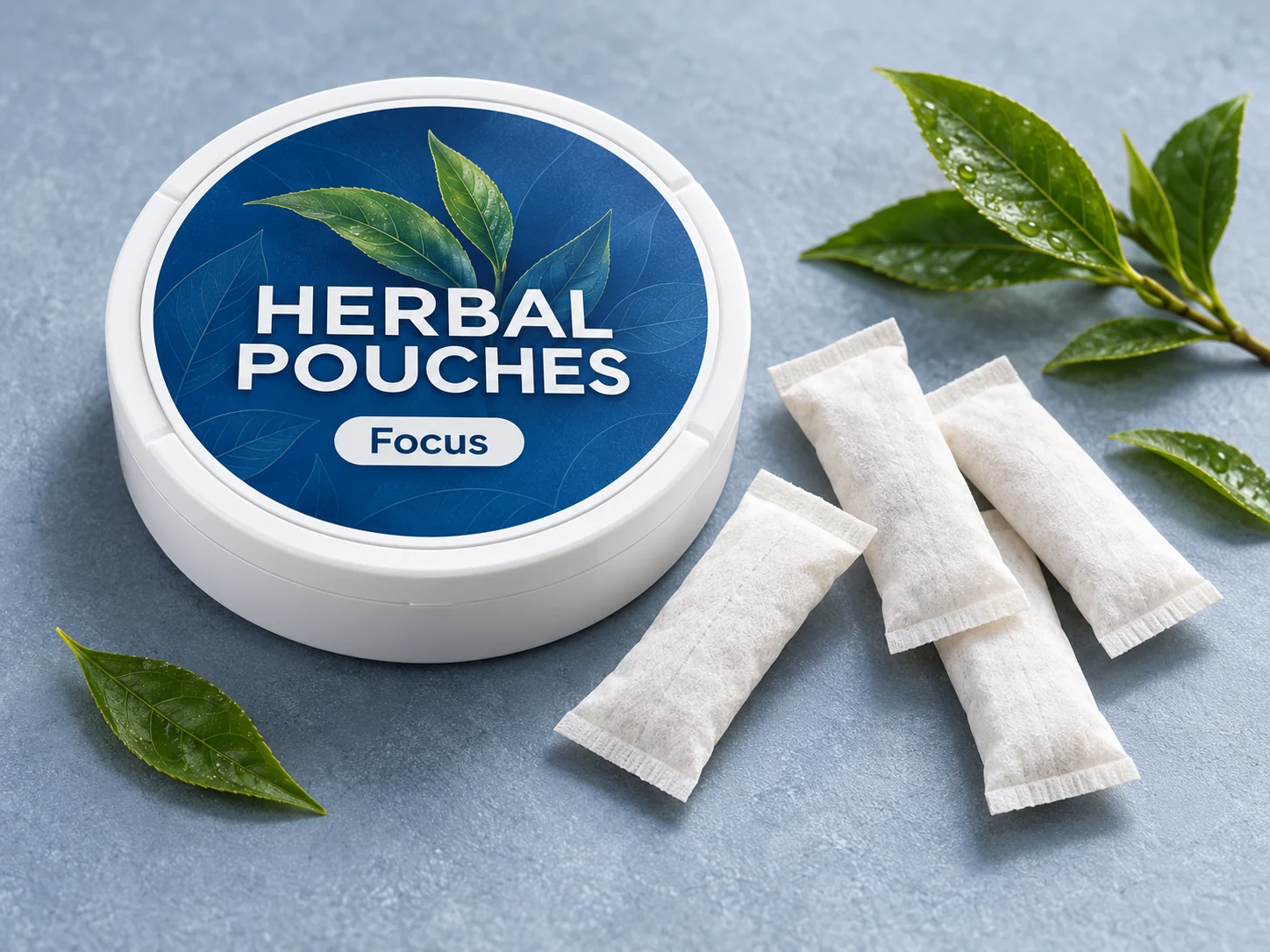


Packaging concept. Formula, labeling and final specifications are agreed per project.
Define the focus concept before choosing the ingredients.
Herbal focus pouches projects begin with your ingredient direction and target market. Explore private label, OEM and custom development options with a specification built for your product.
Custom production: 3,000 cans minimum per SKU; 9,000 cans minimum per order. Strength and lead time are confirmed after specification review.
Focus is a positioning term. Record whether the brief includes caffeine, the intended adult audience and the evidence needed for every planned statement.
For a private label focus pouches or focus pouches OEM project, define the complete product before comparing suppliers. Ingredient identity, declared amount, flavor, pouch construction and packaging should form one technical brief. Wholesale and bulk inquiries also need a clear quantity per SKU and a destination market.
| Product route | Focus Pouches development; availability and feasibility reviewed per project |
|---|---|
| Ingredient direction | A defined theanine, caffeine or botanical ingredient system, with caffeine-containing and caffeine-free routes clearly separated. |
| Pouch format | Mainstream slim or mini nonwoven pouch. Final dimensions and fill weight confirmed by sample and drawing. |
| Target active amount | Reference amounts below are development examples; final amounts are confirmed after ingredient and destination review. |
| Can and count | Shallow round can format; can material, dimensions and pouches per can agreed in the specification. |
| Flavor directions | Tea mint, citrus or herb-led directions; feasibility confirmed through samples. |
| Shelf life and storage | Based on the actual formula, packaging and supporting stability assessment. |
| MOQ and lead time | At least 3,000 cans per SKU and 9,000 cans per order. Lead time is confirmed against the approved formula, packaging and production plan. |
Start with a reference blend, adjust the details, or create a fully custom formula.
OEM/ODM development references from the supplied formulation brief. Ingredient lists and amounts below are starting points for feasibility review, not verified brand compositions, approved finished-product specifications or instructions for use.
Caffeine, L-theanine and phosphatidylserine (PS), with a reference L-theanine:caffeine ratio of 2:1.
Discuss this referenceBacopa monnieri extract, rhodiola extract, zinc and algal omega-3.
Discuss this reference| Caffeine | 50–80 mg |
|---|---|
| L-theanine | 100–160 mg |
| Phosphatidylserine (PS) | 50–100 mg |
The listed amounts describe the caffeine/theanine/PS direction. The botanical alternative needs its own target amounts and physical compatibility review.
These ingredient groups can be adapted across categories. Final percentages, moisture, pH, fill weight and stability are developed for the selected formula.
| Carrier and filler | Microcrystalline cellulose, plant fiber (bamboo or cotton) and maltitol. |
|---|---|
| Moisture system | Food-grade propylene glycol and vegetable glycerin. |
| Sweetness | Sucralose, acesulfame potassium (Ace-K), erythritol and steviol glycosides. |
| pH adjustment | Sodium carbonate and sodium bicarbonate; final pH is specified for the approved formula. |
| Flavor and cooling | Food flavorings, menthol and WS-23; cooling intensity is part of sample review. |
| Supporting ingredients | Food-grade antioxidant and preservative options, selected for the finished formula. |
Ingredient availability and destination suitability are reviewed per project. Shelf life and any release profile require finished-product evidence.
Change ingredients and target amounts, select caffeine or melatonin requirements, and refine the carrier, sweetness, moisture, cooling, flavor and pouch format. Can artwork, destination market, testing scope and quantities become part of the same development brief.
Develop a custom formulaA reference is not a ready-to-order stock formula. Fill-weight feasibility, ingredient compatibility and the final sample specification are reviewed before production. Minimum custom order: 3,000 cans per SKU; 9,000 cans per order.
A defined theanine, caffeine or botanical ingredient system, with caffeine-containing and caffeine-free routes clearly separated.
Assess cooling, bitter notes and oral comfort using the same protocol across prototypes.
Herbal focus pouches and plant-based focus pouches are useful sourcing phrases, but the final ingredient list must support them. Discuss what plant-derived, nicotine-free, tobacco-free or clean-label means for your specific brief. Carriers, flavors and the active ingredient source all matter; a green label is not sufficient evidence.
Relevant active assays, blend homogeneity and a method appropriate to the complete finished formula.
Ask whether the quoted test results apply to an ingredient, a laboratory blend or the finished packed product. The sample identity, lot number, analytical method and acceptance criteria should be clear. Agree how changes in ingredients or packaging will be reviewed before production.
For a focus pouches manufacturer inquiry, share your target market, intended label language, target ingredient amount, flavor direction, cans per SKU and launch timing. We can discuss formula development, packaging customization and a sample review route. Custom production starts at 3,000 cans per SKU and 9,000 cans per order. Price, ingredient amount and schedule are confirmed for the approved specification.
A caffeine-free brief can be assessed separately. Ingredient selection and supporting tests must fit that route; a focus category name does not establish that a product contains or excludes caffeine.
A defined theanine, caffeine or botanical ingredient system, with caffeine-containing and caffeine-free routes clearly separated. Focus is a positioning term. Record whether the brief includes caffeine, the intended adult audience and the evidence needed for every planned statement.
Send quantity per SKU, SKU count, target market, ingredient direction and can artwork requirements. Custom production requires at least 3,000 cans per SKU and 9,000 cans per order. Sample availability and schedule are confirmed after feasibility review.
Mainstream slim or mini pouch and shallow round can formats can be discussed. Tea mint, citrus or herb-led directions are possible discussion directions; approved samples determine the final sensory specification.
No promise of concentration, study performance or ADHD treatment is made. Do not market caffeine concepts to children or teens. A finished formula, intended use and destination requirements need separate assessment. Neither herbal wording nor a format comparison establishes safety or effectiveness.
Relevant active assays, blend homogeneity and a method appropriate to the complete finished formula. Ask which tests cover the ingredient and which cover the actual finished product, then confirm document availability for the quoted project.
General ingredient and safety context: FDA: Caffeine information. This reference is not evidence of a finished-pouch performance claim.
Tell us what you want to develop. We’ll review the specification before confirming commercial details.
EMAIL: info@linkbiolabs.com